
The Sales Leader Blog
The latest insights on Sales Leadership, Sales Training, Sales Strategy, and Sales Effectiveness

Pros v. Cons of a Sales Career
A sales career can be exhilarating and rewarding—offering the potential for high earnings, flexible schedules, and the chance to work directly with a diverse range of customers. However, it also comes with its fair share of challenges, from the pressure of constant...

7 Tips for Using Storytelling in Sales Presentations
Storytelling in sales is a skill. When used correctly, it can be an incredibly powerful way to convince your prospects of the value of your solution. As humans, it’s in our nature to be drawn to stories. A good story grabs our attention, helps us visualize and...

51 Examples of Powerful Open-Ended Sales Questions
As a sales leader, meeting your organization’s revenue goal is job #1. That means helping your sales professionals be the best sellers they can be is a high priority. One simple way to accomplish this is to train your sales team to ask better open-ended questions....

Highly Effective Prospecting Techniques for Your Sales Team
In baseball, “keep your eye on the ball” means watch where the ball is at all times. In sales, it means staying focused. But it’s tough. In the race to finish the quarter strong, prospecting often gets put on the back burner while sales professionals work on closing...

Top Tactics for Selling to a Buying Committee
Finance, operations, and management, oh my! The B2B buying journey is getting longer and more complex. The average B2B buying committee size is now seven, but groups as large as 20 are not unheard of. Bigger deals usually mean bigger committees, which present unique...

Strategies for Effective Sales Coaching Conversations
Sales success hinges not only on strategy and skill but also on continuous improvement and development. This is where effective sales coaching comes in. Imagine a scenario where every member of your sales team is equipped with the tools, guidance, and support needed...

Selling to the C-Suite: Strategies for Reaching Executive Decision Makers
Why is selling to the C-suite so critical? As buying processes grow more complex, it’s becoming increasingly important for sales professionals to gain access to senior executives and C-level decision makers. Gone are the days when you could simply sell to a mid-level...
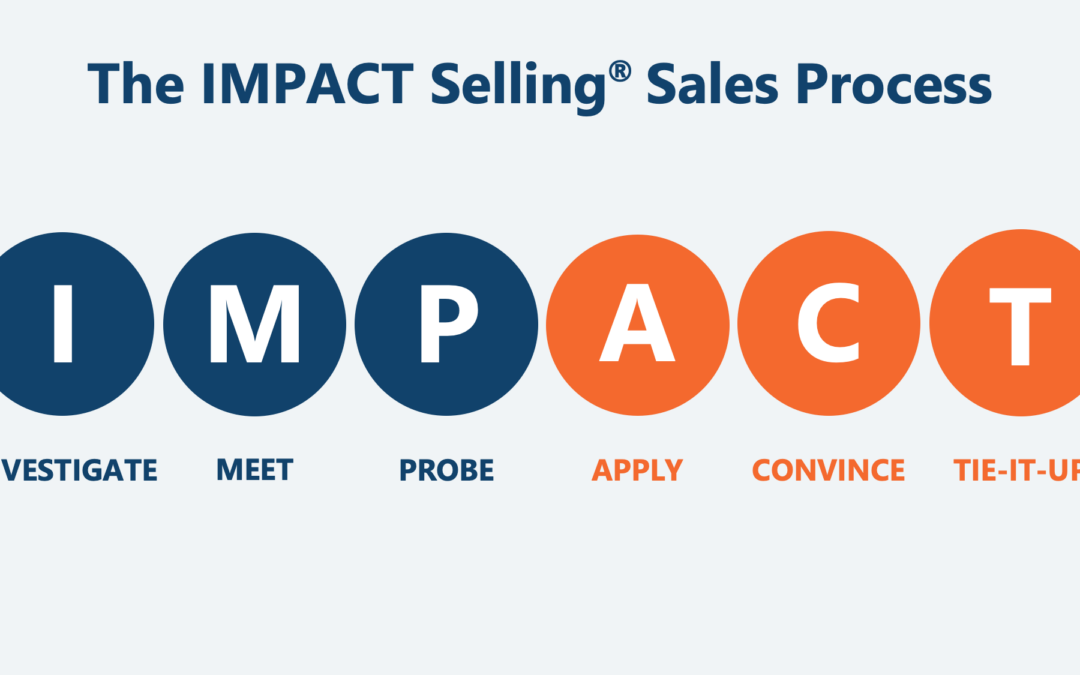
IMPACT Selling®: How to Unleash Revenue Potential with Sales Team Training
Winning sales teams, even those from different industries, have one thing in common: they use a repeatable sales process. As a result, they’re consistent, they follow best practices, they replicate the habits of their A-players, and they reinforce the process with...